
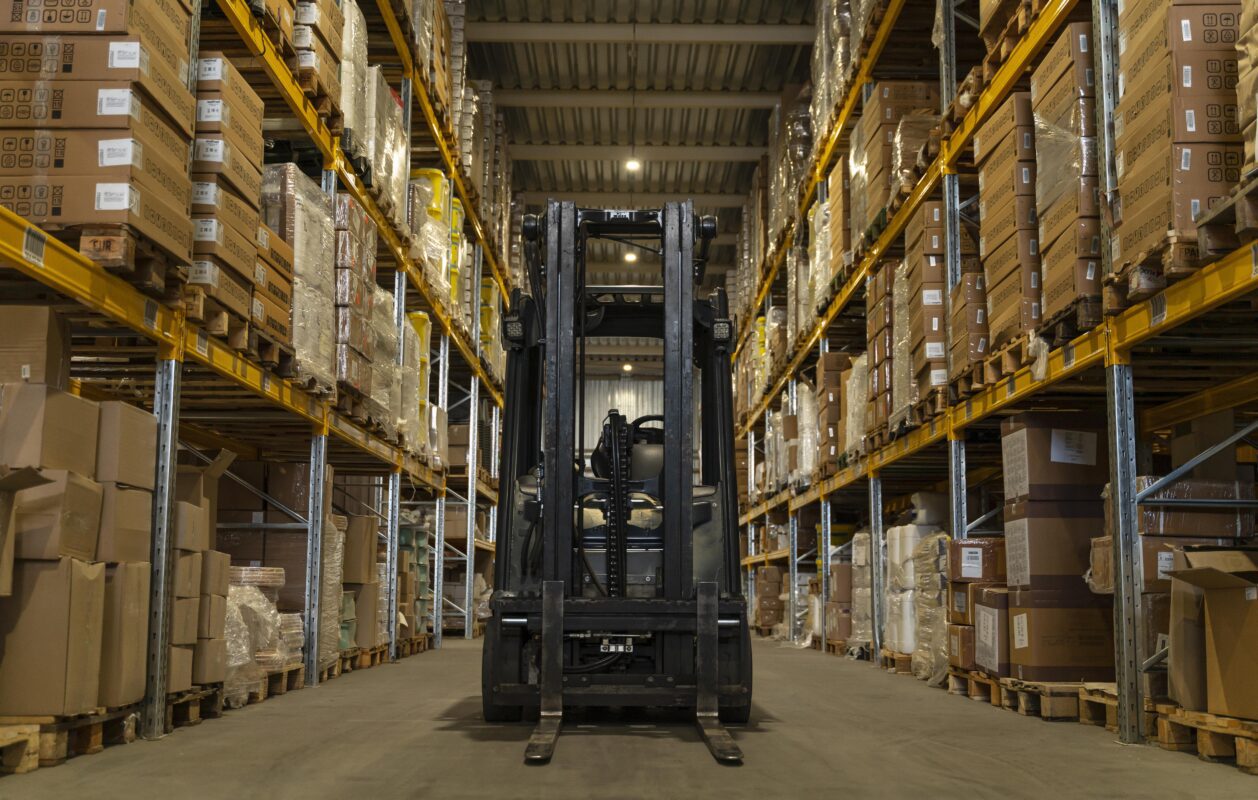
THAILAND’S LOGISTICS INDUSTRY TRENDS IN THE SECOND HALF OF 2025

อุตสาหกรรมโลจิสติกส์

             The logistics industry remains one of the pillars of Thailand’s economy. In the second half of 2025, logistics sector trends point toward changes in technology, adaptation to the green economy, and increased regional connectivity, presenting both opportunities and challenges that entrepreneurs should closely monitor.

             The logistics industry remains one of the pillars of Thailand’s economy. In the second half of 2025, logistics sector trends point toward changes in technology, adaptation to the green economy, and increased regional connectivity, presenting both opportunities and challenges that entrepreneurs should closely monitor.

             The logistics industry remains one of the pillars of Thailand’s economy. In the second half of 2025, logistics sector trends point toward changes in technology, adaptation to the green economy, and increased regional connectivity, presenting both opportunities and challenges that entrepreneurs should closely monitor.

1. LOGISTICS INDUSTRY TRENDS IN THAILAND

1. LOGISTICS INDUSTRY TRENDS IN THAILAND

1. LOGISTICS INDUSTRY TRENDS IN THAILAND

1.1 RECOVERY OF EXPORT AND MANUFACTURING SECTORS

           Thai exports are beginning to expand in agricultural products, electronics, and processed foods, particularly exports to the U.S. and Chinese markets recovering after economic slowdowns, resulting in increased logistics demand across land, sea, and air transportation.

1.2 INFRASTRUCTURE INVESTMENT

           Multiple government projects such as double-track railways, Laem Chabang Port Phase 3, and logistics systems in the EEC zone continue to progress, strengthening Thailand’s potential as a regional distribution hub.

1.3 DIGITAL TECHNOLOGY ADOPTION

           Automated warehouse management systems (WMS), technology, AI, and Big Data are increasingly utilized to reduce costs, increase accuracy, and enhance services, such as real-time transportation route management and end-to-end product tracking systems.

1.4 COST AND LABOR CHALLENGES

           Minimum wage increases and volatile fuel prices require entrepreneurs to improve operational efficiency and consider investing in technology to offset rising labor costs.

1.1 RECOVERY OF EXPORT AND MANUFACTURING SECTORS

           Thai exports are beginning to expand in agricultural products, electronics, and processed foods, particularly exports to the U.S. and Chinese markets recovering after economic slowdowns, resulting in increased logistics demand across land, sea, and air transportation.

1.2 INFRASTRUCTURE INVESTMENT

           Multiple government projects such as double-track railways, Laem Chabang Port Phase 3, and logistics systems in the EEC zone continue to progress, strengthening Thailand’s potential as a regional distribution hub.

1.3 DIGITAL TECHNOLOGY ADOPTION

           Automated warehouse management systems (WMS), technology, AI, and Big Data are increasingly utilized to reduce costs, increase accuracy, and enhance services, such as real-time transportation route management and end-to-end product tracking systems.

1.4 COST AND LABOR CHALLENGES

           Minimum wage increases and volatile fuel prices require entrepreneurs to improve operational efficiency and consider investing in technology to offset rising labor costs.

1.1 RECOVERY OF EXPORT AND MANUFACTURING SECTORS

           Thai exports are beginning to expand in agricultural products, electronics, and processed foods, particularly exports to the U.S. and Chinese markets recovering after economic slowdowns, resulting in increased logistics demand across land, sea, and air transportation.

1.2 INFRASTRUCTURE INVESTMENT

           Multiple government projects such as double-track railways, Laem Chabang Port Phase 3, and logistics systems in the EEC zone continue to progress, strengthening Thailand’s potential as a regional distribution hub.

1.3 DIGITAL TECHNOLOGY ADOPTION

           Automated warehouse management systems (WMS), technology, AI, and Big Data are increasingly utilized to reduce costs, increase accuracy, and enhance services, such as real-time transportation route management and end-to-end product tracking systems.

1.4 COST AND LABOR CHALLENGES

           Minimum wage increases and volatile fuel prices require entrepreneurs to improve operational efficiency and consider investing in technology to offset rising labor costs.

2. ASEAN REGIONAL LOGISTICS INDUSTRY PERSPECTIVES

2. ASEAN REGIONAL LOGISTICS INDUSTRY PERSPECTIVES

2. ASEAN REGIONAL LOGISTICS INDUSTRY PERSPECTIVES

2.1 CROSS-BORDER E-COMMERCE GROWTH

           The Asean e-commerce market is expanding rapidly, particularly in Indonesia, the Philippines, and Vietnam, leading to growth in cross-border logistics services. Thailand can leverage its logistics strengths positioned at the heart of Asean to efficiently connect the region.

2.2 LOGISTICS INFRASTRUCTURE COOPERATION

          Collaborative projects within Calm and Asean+ frameworks, such as Single Window customs systems and seamless land connections, help Thailand and neighboring countries reduce transportation time and costs.

2.3 GREEN LOGISTICS TRENDS

          Many countries are adopting clean energy vehicles, EV transportation systems, and carbon reduction policies, and driving logistics providers to prepare both infrastructure and internal management.

2.1 CROSS-BORDER E-COMMERCE GROWTH

            The Asean e-commerce market is expanding rapidly, particularly in Indonesia, the Philippines, and Vietnam, leading to growth in cross-border logistics services. Thailand can leverage its logistics strengths positioned at the heart of Asean to efficiently connect the region.

2.2 LOGISTICS INFRASTRUCTURE COOPERATION

          Collaborative projects within Calm and Asean+ frameworks, such as Single Window customs systems and seamless land connections, help Thailand and neighboring countries reduce transportation time and costs.

2.3 GREEN LOGISTICS TRENDS

          Many countries are adopting clean energy vehicles, EV transportation systems, and carbon reduction policies, and driving logistics providers to prepare both infrastructure and internal management.

2.1 CROSS-BORDER E-COMMERCE GROWTH

            The Asean e-commerce market is expanding rapidly, particularly in Indonesia, the Philippines, and Vietnam, leading to growth in cross-border logistics services. Thailand can leverage its logistics strengths positioned at the heart of Asean to efficiently connect the region.

2.2 LOGISTICS INFRASTRUCTURE COOPERATION

          Collaborative projects within Calm and Asean+ frameworks, such as Single Window customs systems and seamless land connections, help Thailand and neighboring countries reduce transportation time and costs.

2.3 GREEN LOGISTICS TRENDS

          Many countries are adopting clean energy vehicles, EV transportation systems, and carbon reduction policies, and driving logistics providers to prepare both infrastructure and internal management.

3. RECOMMENDATIONS FOR ENTREPRENEURS

3. RECOMMENDATIONS FOR ENTREPRENEURS

3. RECOMMENDATIONS FOR ENTREPRENEURS

Thai entrepreneurs should focus on :     

         • Investing in technology to increase supply chain efficiency and flexibility.
         • Building regional partnerships for goods distribution.
         • Adjusting strategies to embrace Green Logistics trends and changing consumer behaviors.
         • Developing workforce skills to align with automation and digital systems.

Sources of information:

Thai entrepreneurs should focus on :     

         • Investing in technology to increase supply chain efficiency and flexibility.
         • Building regional partnerships for goods distribution.
         • Adjusting strategies to embrace Green Logistics trends and changing consumer behaviors.
         • Developing workforce skills to align with automation and digital systems.

Sources of information:

Thai entrepreneurs should focus on :     

         • Investing in technology to increase supply chain efficiency and flexibility.
         • Building regional partnerships for goods distribution.
         • Adjusting strategies to embrace Green Logistics trends and changing consumer behaviors.
         • Developing workforce skills to align with automation and digital systems.

Sources of information:

– ธนาคารแห่งประเทศไทย – รายงานภาวะเศรษฐกิจไทยไตรมาส 1/2568: www.bot.or.th
– World Bank – Logistics Performance Index 2023: https://lpi.worldbank.org
– SCB EIC – Thailand Economic Outlook 2025: https://www.scbeic.com
– Google e-Conomy SEA 2024 Report: https://economysea.withgoogle.com
– ASEANStats – ASEAN Logistics Market Overview: https://www.aseanstats.org

– ธนาคารแห่งประเทศไทย – รายงานภาวะเศรษฐกิจไทยไตรมาส 1/2568: www.bot.or.th
– World Bank – Logistics Performance Index 2023: https://lpi.worldbank.org
– SCB EIC – Thailand Economic Outlook 2025: https://www.scbeic.com
– Google e-Conomy SEA 2024 Report: https://economysea.withgoogle.com
– ASEANStats – ASEAN Logistics Market Overview: https://www.aseanstats.org

– ธนาคารแห่งประเทศไทย – รายงานภาวะเศรษฐกิจไทยไตรมาส 1/2568: www.bot.or.th
– World Bank – Logistics Performance Index 2023: https://lpi.worldbank.org
– SCB EIC – Thailand Economic Outlook 2025: https://www.scbeic.com
– Google e-Conomy SEA 2024 Report: https://economysea.withgoogle.com
– ASEANStats – ASEAN Logistics Market Overview: https://www.aseanstats.org

For further inquiries, please contact us.

Phone : 02-727-7627, 098-928-6693
Line : @namlogistics
E-mail : sales@namlogistics.com
Facebook : namlogistics.co.th

For further inquiries, please contact us.

Phone : 02-727-7627, 098-928-6693
Line : @namlogistics
E-mail : sales@namlogistics.com
Facebook : namlogistics.co.th

For further inquiries, please contact us.

Phone : 02-727-7627, 098-928-6693
Line : @namlogistics
E-mail : sales@namlogistics.com
Facebook : namlogistics.co.th